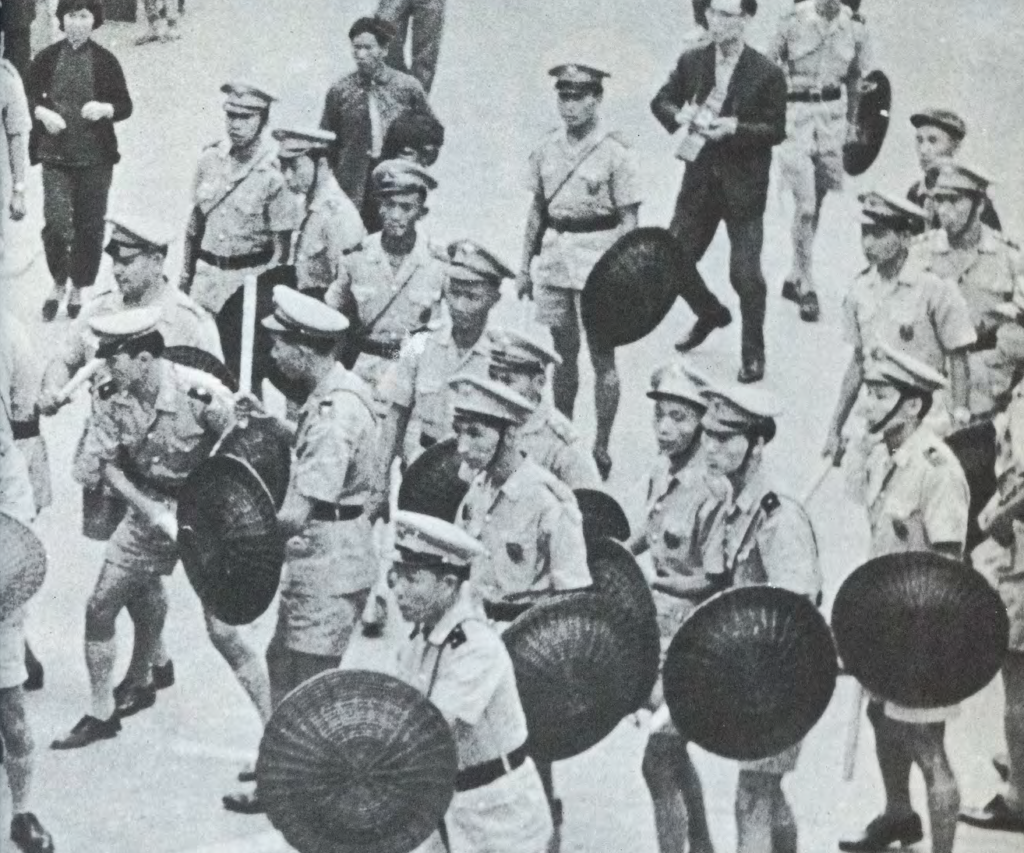
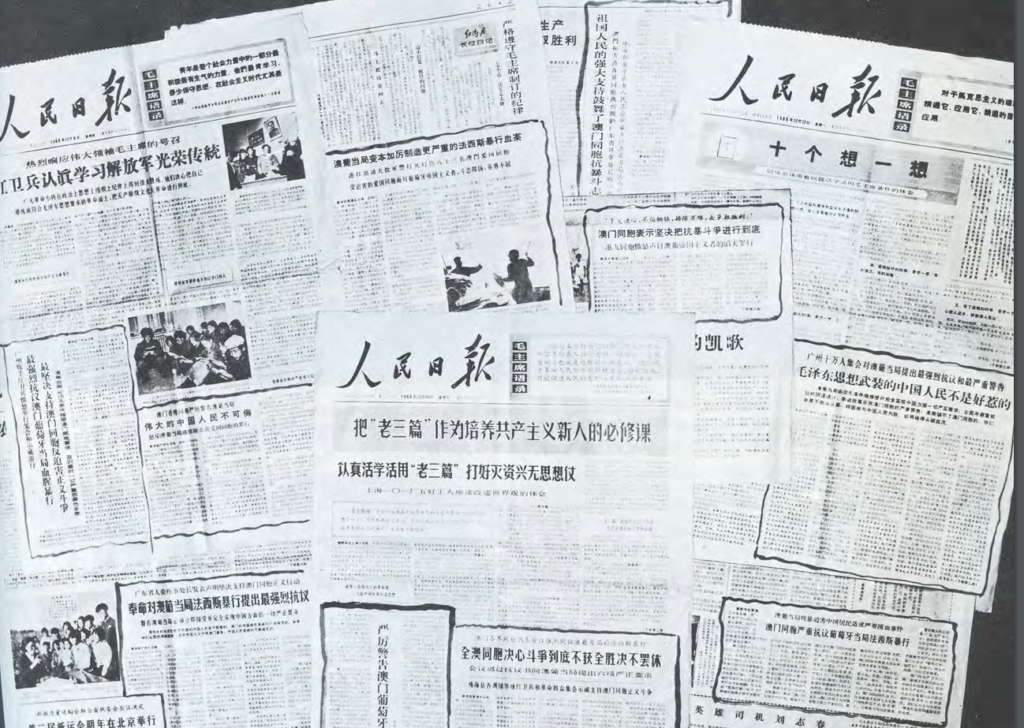
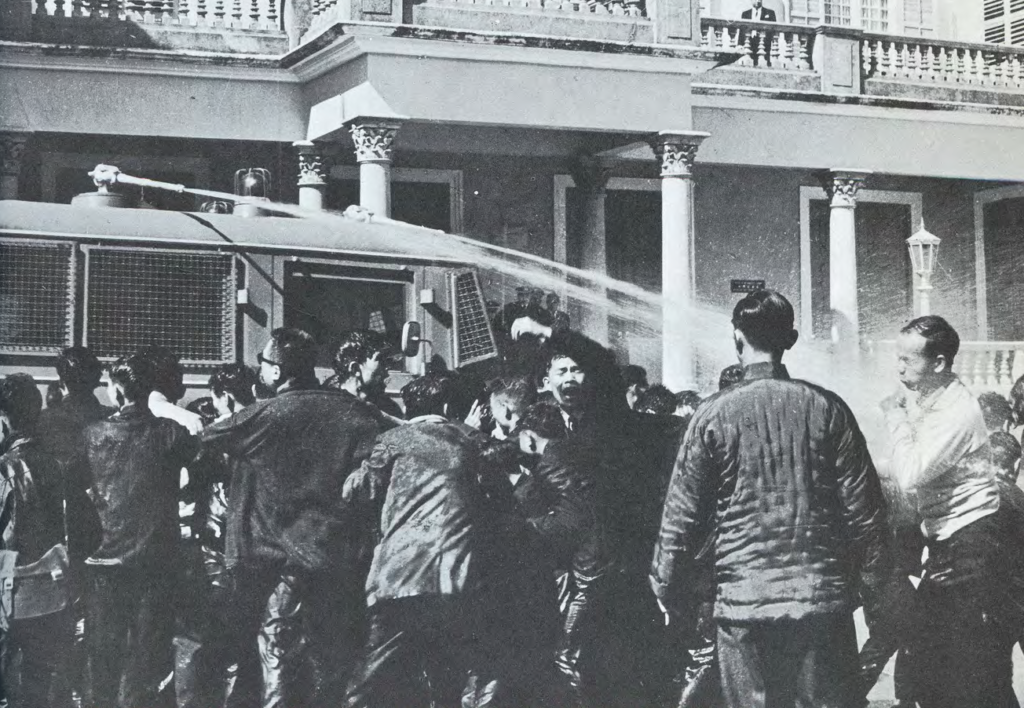
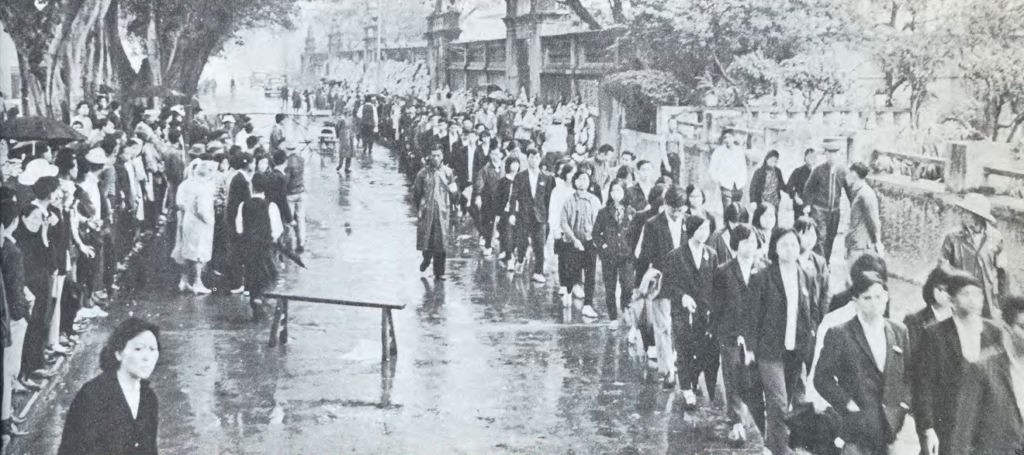
The most vocal about the events of 1966 were leftist residents of Macau. For them, the violence that ensued followed a long tradition of oppression over the span Portugal’s 400 year colonial rule. In an extensive 1967 pamphlet by the Macau Daily News, the Portuguese were seen to be under the influence of “anti-Chinese hullabaloo being put up by US imperialism and Soviet revisionism.” By speaking to the innocence of the victims, the pamphlet emphasizes the savagery of violence inflicted by Portuguese authorities, who “spar[ed] neither the old nor the young; they even maliciously assaulted women.”
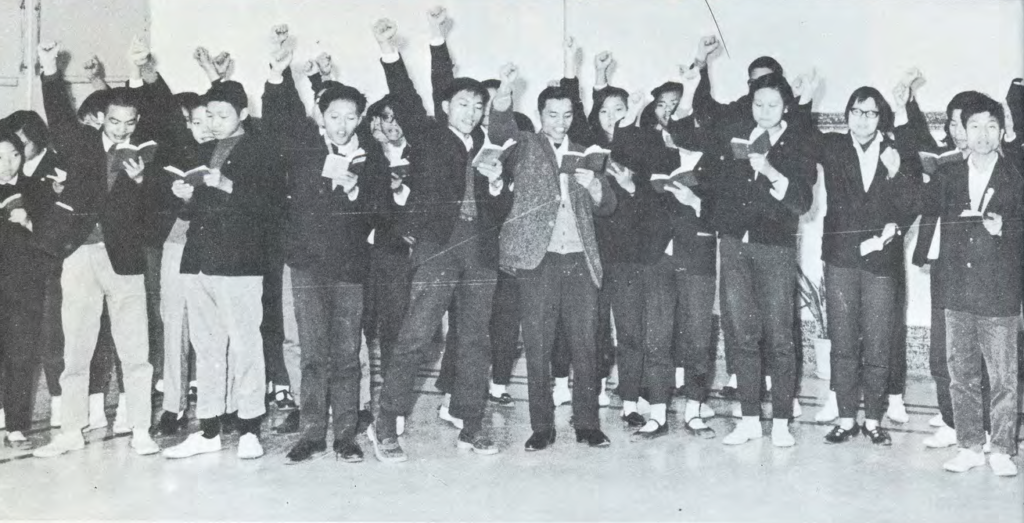
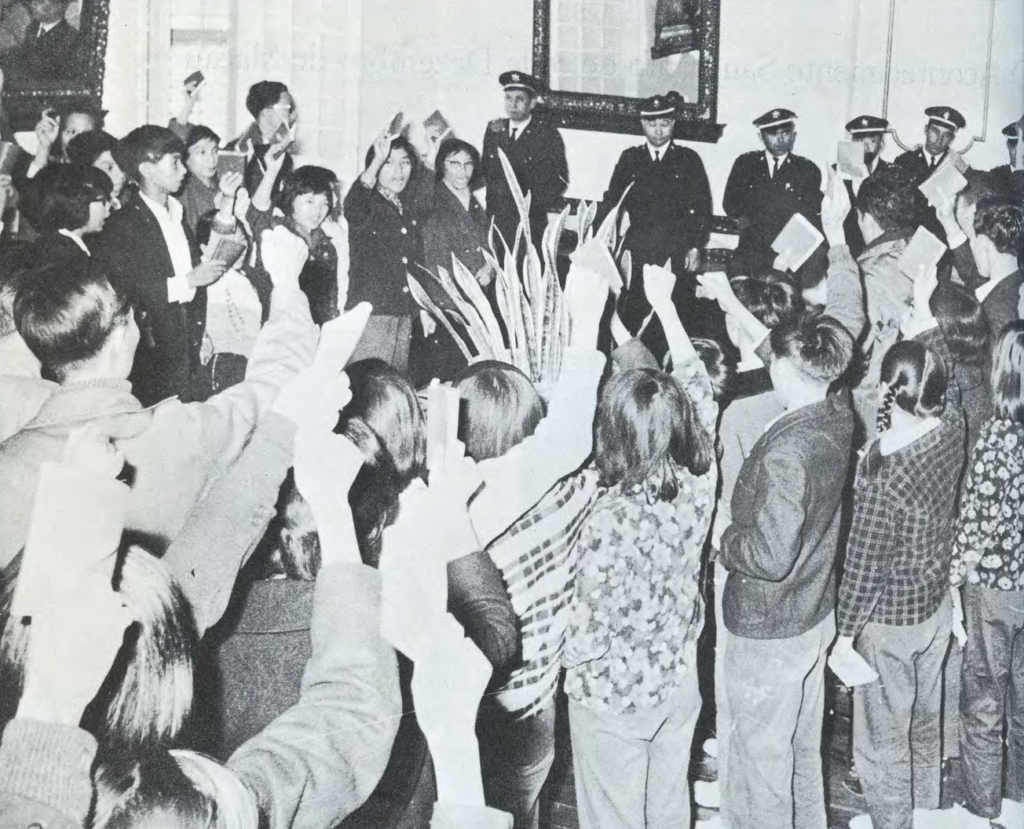
Furthermore, for Macau people, the Incident was deeply rooted in the issue of education. Students were heavily involved in the planning and execution of civilian demonstrations. The pamphlet accentuated the bravery and moral righteousness of these students in standing up to violence through non-violent resistance. Thus, those who died had their lives taken “in cold blood.” In fact, the pamphlet featured gruesome, uncensored images of the fatal injuries people endured, refusing to shy away from the brutality committed and calling for vengeance. Doing so solidifies the villainous depiction of the Portuguese. Having a public funeral procession for the victims, further invigorated these sentiments.
Lastly, the Chinese in Macau attempted to address their detestation diplomatically. They formed delegations to meet with “Governor” José Nobre de Carvalho. By placing his title in quotations, leftists in Macau delegitimize his authority while also working within the existing colonial system. As much as the pamphlet expressed loyalty to Maoist China, it equally expressed disdain for Portuguese imperialism, suggesting that the events in Macau were very much part of Portugal’s decolonization narrative.
Photos from the pamphlet: